FableFleet

The FableFleet Blog

Pacifier Weaning

Educational cluster for parents whose toddler is attached to the pacifier and who want to know whether it is time to stop and how to do it without a meltdown. Target audience: parents of 1 to 3 year olds (plus grandparents) searching "pacifier weaning", "when to stop pacifier", "how to wean off pacifier", and the "pacifier fairy" goodbye ritual.

Editorial title card. Eyebrow reads Pacifier Weaning. Title reads Pacifier Weaning. Soft watercolor wash background in the FableFleet brand palette. Finn the fox is curled up in the bottom-right corner of the card.

Pacifier Weaning: When to Stop and How to Do It Without a Meltdown

Pacifier weaning is the step where you help your child let go of the pacifier for good. Pediatricians suggest easing off daytime use around age 1, no later than 18 months, while bedtime and naps can stay a little longer, usually up to age 3. A gradual approach tends to beat going cold turkey, an alternate comfort object helps, and a calm goodbye ritual when your child is ready makes the day feel like a milestone instead of a loss.

Read the guide →
  • Editorial title card. Eyebrow reads Pacifier Weaning. Title reads How to Wean Off Pacifier. Soft watercolor wash background in the FableFleet brand palette. Finn the fox peeks in from the right edge of the card.

    How to Wean Off Pacifier: Gradual, Cold Turkey, and What Makes It Kinder

    How to wean off pacifier use comes down to two roads: gradual, where you shrink it to one window and then remove it, and cold turkey, where you stop all at once and ride out a few fussy nights. Pediatricians lean gradual for most kids. Either way, swap in a comfort object, praise the not-sucking instead of punishing, and have a sleep plan ready before you take away a sleep-time pacifier.

    Read the post →
  • Editorial title card. Eyebrow reads Pacifier Weaning. Title reads How to Wean Pacifier at Night Without Wrecking Sleep. Soft watercolor wash background in the FableFleet brand palette. Finn the fox peeks in from the right edge of the card.

    How to Wean Pacifier at Night Without Wrecking Sleep

    How to wean pacifier at night starts with a plan, because the nighttime pacifier is a sleep association, not just a habit. Pediatricians suggest sorting out how your child will fall asleep before you remove it, swapping in a safe comfort object like a blanket or lovey for a child over 1, and expecting a few nights of fussing and some night-waking while the new routine takes hold. Stand firm and kind, and it settles.

    Read the post →
  • Editorial title card. Eyebrow reads Pacifier Weaning. Title reads Pacifier Weaning Tips. Soft watercolor wash background in the FableFleet brand palette. Finn the fox is curled up in the bottom-right corner of the card.

    Pacifier Weaning Tips: The Things That Actually Help

    Pacifier weaning tips that actually help: go gradual where you can, swap the pacifier for a comfort object your child chooses, praise every pacifier-free stretch instead of shaming, make the goodbye a real moment your child takes part in, and build a sleep plan before you remove a sleep-time pacifier. None of it is magic, but together these moves turn a dreaded battle into a handful of manageable nights.

    Read the post →
  • Editorial title card. Eyebrow reads Pacifier Weaning. Title reads The Pacifier Fairy. Soft watercolor wash background in the FableFleet brand palette. Finn the fox peeks in from the right edge of the card.

    The Pacifier Fairy: How the Goodbye Ritual Works (and Why It Helps)

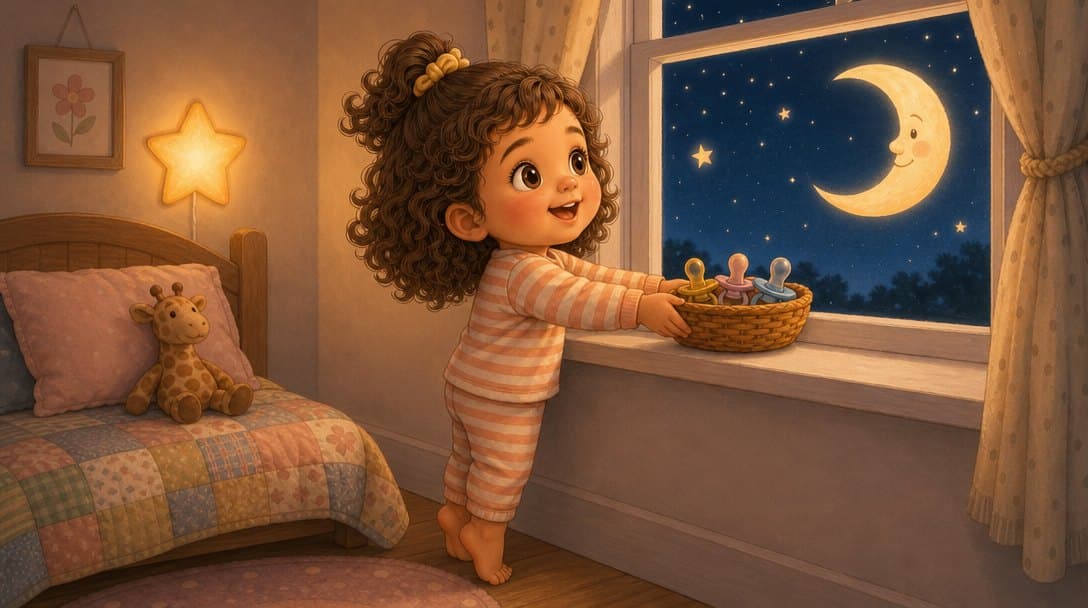
    Pacifier fairy: a goodbye ritual where your child gathers up their pacifiers, leaves them out at bedtime, and the fairy takes them overnight and leaves a small gift. Pediatricians actually suggest this kind of creative send-off, sometimes called the Binky Fairy, because it lets your child take part in the change and understand it, turning a loss into a milestone they helped author.

    Read the post →
  • Editorial title card. Eyebrow reads Pacifier Weaning. Title reads What Age to Stop Pacifier Use. Soft watercolor wash background in the FableFleet brand palette. Finn the fox sits in the bottom-right corner of the card.

    What Age to Stop Pacifier Use: The Guidance and Why Dentists Care

    What age to stop pacifier use? Ease off daytime use around age 1 and no later than 18 months, while bedtime and naps can continue a little longer, usually up to about age 3. Dentists watch the age because strong sucking past 2 to 4 years can affect the mouth and teeth, though the bite often corrects itself if the habit stops before the permanent front teeth come in.

    Read the post →
  • Editorial title card. Eyebrow reads Pacifier Weaning. Title reads When to Stop Pacifier Use. Soft watercolor wash background in the FableFleet brand palette. Finn the fox sits in the bottom-right corner of the card.

    When to Stop Pacifier Use: Reading Your Child, Not the Calendar

    When to stop pacifier use comes down to two timelines: ease off daytime use around age 1 and no later than 18 months, then let bedtime and naps go a little longer, usually up to about age 3. There is no single right day. Readiness signals, like the pacifier only coming out for sleep and your child being old enough to understand a goodbye, matter more than hitting an exact age.

    Read the post →

Be the first to give your child a story they'll never forget.

We're launching personalized animated story videos starring your child by name, with their family and friends woven in. Join the waitlist now and your first video is 50 percent off when we open the doors.

No spam. One launch email and you're done. Unsubscribe anytime.