
Resources · Fears and being brave · ages 3 to 6
Fears and being brave, all in one place
At a birthday party at an indoor play place, our daughter was scared of the slides. So I went down with her, again and again. Near the end she watched some friends go, and then she went down by herself, with me at the bottom. Next time she wanted me for the first couple. Now she just goes. That is most of what the pediatricians say about childhood fears. Stay with them, make the step smaller, and don't push. Most fears come and go with age. Call the doctor if a fear stops sleep, school or play.
Free printable
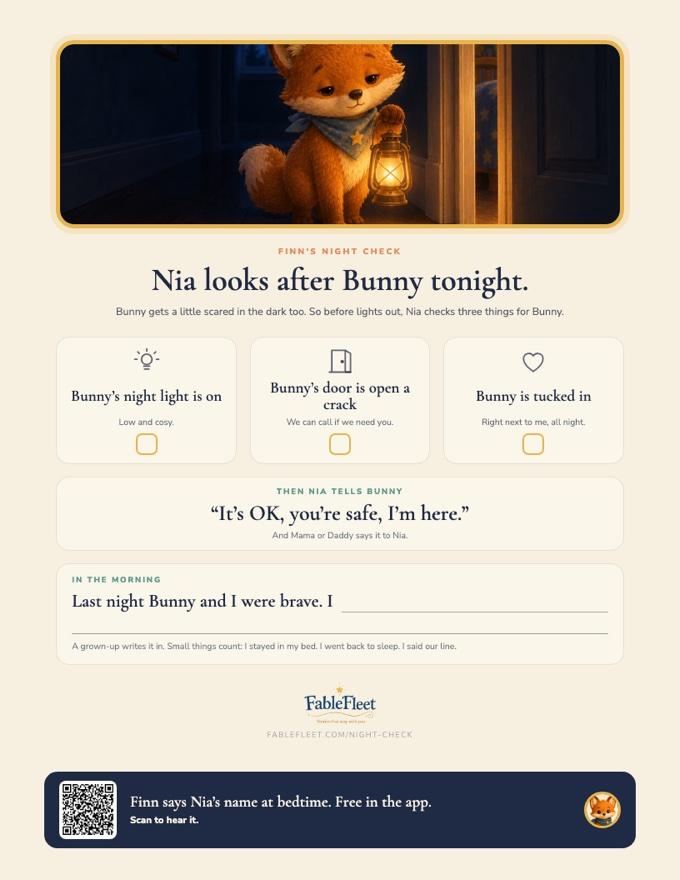
Finn's night check
Your child looks after their cuddly tonight: its light, its door, tucked in, the goodnight line said to it first, and a morning box. Plus a page for you with a bad dream and a night terror side by side.
Make yours free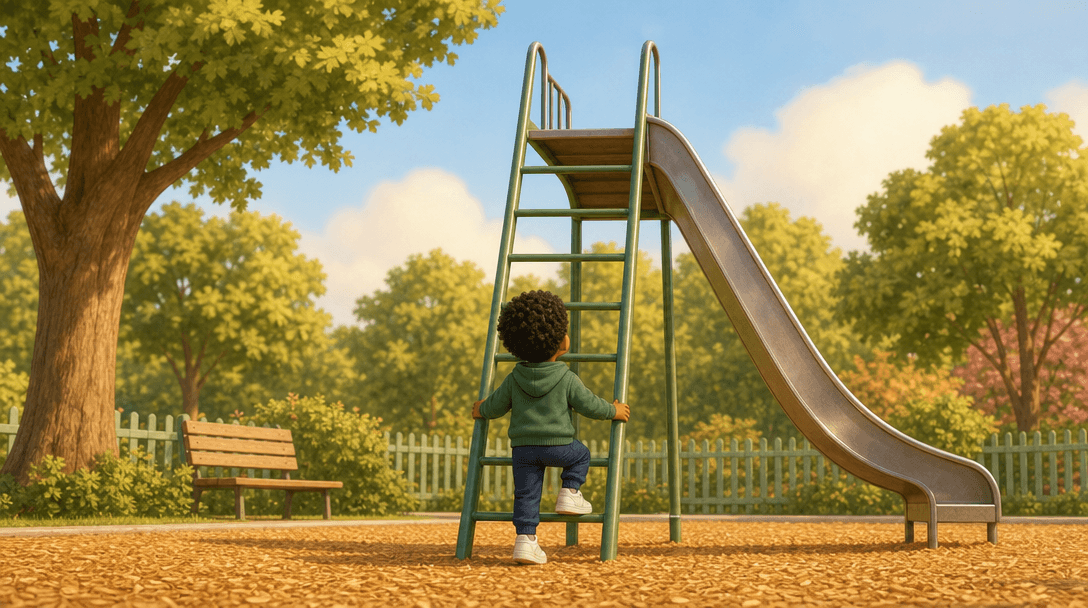
Coming soon
Feeling Brave
A personalized story for a cautious child: the thing that looks bigger in person, the watching, three steps instead of the whole slide, and going with the fear still there. A 2.5 minute story.
See the story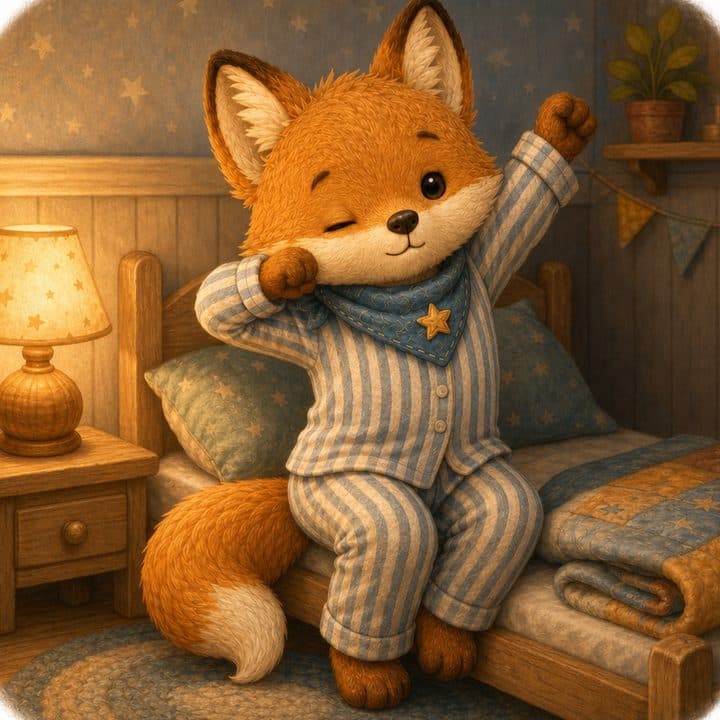
For the nights
Finn's Bedtime
A free guided bedtime routine for ages two to four: pajamas, teeth, potty, a cuddle, a few lines said together, then a calm story that says your child's name.
Finn's Bedtime, freeThe guides, in the order you will need them
- 1Childhood Fears by Age 2 to 6: What Helped at Our HouseStart here
At a birthday party at an indoor play place, our daughter was scared of the slides. So I went down with her, again and again. Near the end she watched some friends go, and then she went down by herself, with me at the bottom. Next time she wanted me for the first couple. Now she just goes. That is most of what the pediatricians say about childhood fears. Stay with them, make the step smaller, and don't push. Most fears come and go with age. Call the doctor if a fear stops sleep, school or play.
- 2Fear of the Dark in Kids: What We Do at Bedtime, and What the Pediatricians Say
Bedtime at our house ends the same way every night. The Gro Clock glows blue and lights the room a tiny bit. The door stays open. Bunny is in the bed. We say goodnight, love you, and she listens to one of our bedtime stories in the app with the phone face down. That is most of what the pediatricians say about fear of the dark. A dim light, the door the way they like it, something soft to hold, the same words, and nothing scary before bed. It often starts between two and four, and it can last into the early school years.
- 3Can Babies Have Nightmares? Infant Bad Dreams, Baby to 4
When our kids were babies, they would wake up screaming from time to time, and we usually put it down to teething or a growth spurt. Nobody really knows if babies have nightmares. The pediatric sources disagree. Bad dreams a child can tell you about usually start in the preschool years. Night terrors are different, and they are most common around a year and a half. For a bad dream, go to them quickly and keep it short. For a night terror, don't wake them. Stay close, keep them safe and wait.
- 4Slow to Warm Up: Helping a Child Who Is Scared to Try New Things
The second time we went back to the play place, our daughter wanted me with her for the first couple of slides. Then she went on her own. Now she just goes. For a child who is slow to warm up and scared to try new things, that is the whole pattern. Let them watch first. Make the step smaller. Stay close, and don't push or rescue. Next time, start where they left off. And when they do it, say what they did.
- 5Book About Being Brave: Picture Books for Scared Kids, Sorted by Fear
The best book about being brave for a scared child is one where nobody pushes and nobody laughs at the fear. For a daytime try, start with Jabari Jumps: his dad says it's OK to be scared and waits. For the dark, Can't You Sleep, Little Bear? has a grown-up who comforts and stays. For monsters at two or three, Go Away, Big Green Monster! lets your child send the monster off. Read any new one in the daytime first. A few have surprised parents.
Quick answers
- What are the most common childhood fears by age?
- Babies and young toddlers fear strangers, loud noises and being apart from you. From two to four it is the dark, shadows, thunder, a change to the routine and often the potty. From four to six, monsters, the dark and bad dreams, because children can't always tell pretend from real. From about seven, real-world worries take over.
- Should I make my child face their fear?
- Not by pushing. The American Academy of Pediatrics says not to pressure a child into being brave. Rescuing them from it every time keeps it going too. Stay close, make the step smaller, let them watch other kids first, and let them choose when to try.
- Is it a bad dream or a night terror?
- A bad dream wakes your child in the second half of the night, and they know you and want you: go quickly and keep it short. A night terror comes early in the night, and they don't seem to know you and won't remember it: don't wake them, stay close and keep them safe until it passes.
Also for this moment: bedtime, for the routine that makes the dark easier · picky eating, for the child who says no to every new thing at the table